

Of all of the metrics that I track, BMI is probably the one I want to pay the least attention to. It’s merits have been debated amongst health experts for eons, and I personally know several people who fall within the “obese” limits of BMI, but their percentage of body fat is less than 20%.
BMI is a simple calculation. It’s is your weight (in kg) divided by your height (in m) squared. That’s it. It doesn’t take any other factors into account like your lifestyle or body type. This is why most body builders who have a lot of lean muscle are “obese” by the standards of BMI. BMI doesn’t measure health, it measures your weight compared to your height and spits out a number that shows where you fall on a scale of average underweight to morbidly obese people.
Nonetheless, I am not a body builder, and I still take note of my BMI. Though it is a simple calculation and does not measure health, it can be a quick and easy tool to identify that you may have a weight issue that can lead to weight-associated health problems. For almost the last 3 years I have fallen within the “obese” range on BMI.
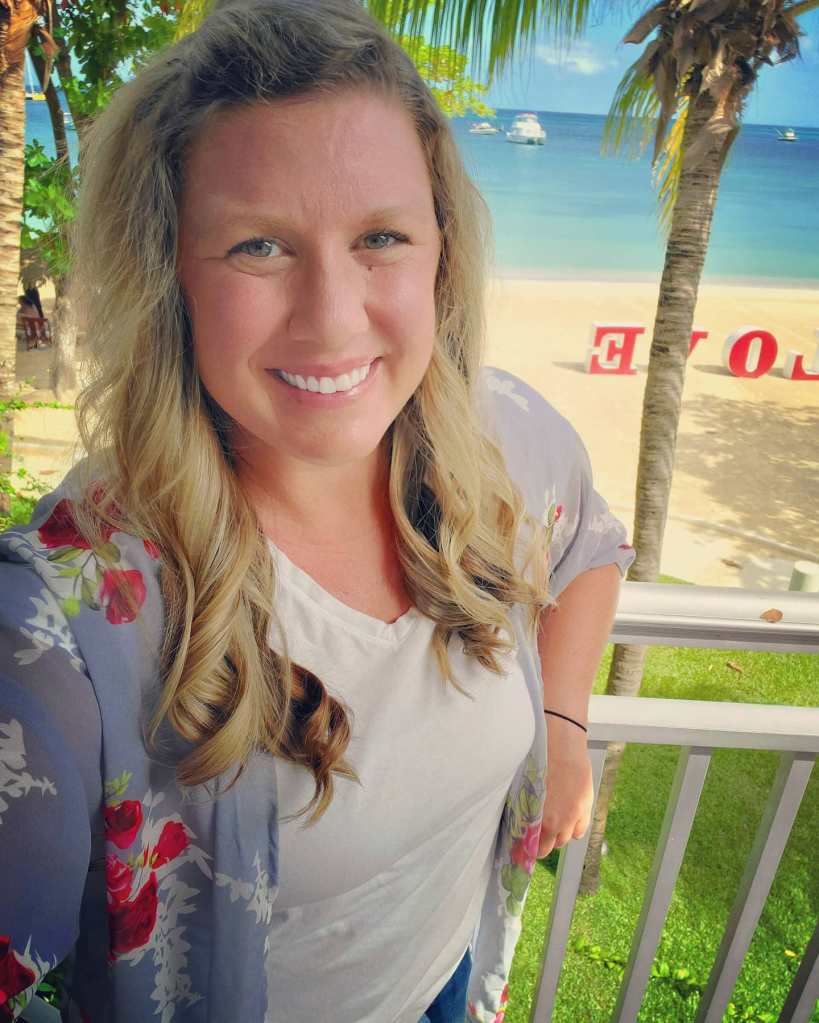
This week I am officially no longer “obese” by BMI standards. I am still at the top of the “overweight” range, and have about 28 lbs. to go before I fall within “normal” range, and another 38 lbs. before my goal weight, but I am excited about the fact that when I look at that BMI chart it no longer says “obese” anymore! It’ll be a while before I leave the “overweight” range, so I won’t be paying much attention to BMI for a while. I will instead be focusing on my weight, percentage of body fat, and fitness level to measure my progress.
And of course all of those non-scale victories that I have to look forward to!
 Fit Body Fit Budget